
Gum disease is a condition of swelling, soreness and infection of the tissues supporting the teeth. A dentist will screen your gums during a routine dental examination. Gum diseases are divided into two categories such as gingivitis and periodontal disease. Inflammation of the gums is referred to as gingivitis. The gums around your teeth will become red and swollen during this condition. The gums will bleed while cleaning or brushing your teeth.
Untreated gingivitis can result in periodontal disease.
There are a number of varieties of periodontal disease. The tissue supporting your teeth is affected during this condition. As the disease worsens, the bone that is anchoring the teeth in the jaw is lost. If the disease is not treated on time, the teeth may become loose and eventually fall out. This is definitely a dental emergency, which should be treated immediately. Consult a professional dental practitioner in your area to prevent losing all your teeth due to periodontal disease.
Periodontal disease is usually caused by the buildup of plaque. Plaque is a kind of bacteria that is formed on the surface of your teeth and gums on a daily basis. Plaque should be cleaned effectively on a daily basis to prevent gum disease that can lead to periodontal disease eventually. Brush and floss your teeth after every meal. Untreated gum disease will progress painlessly, and you will not notice the damage until it is too late. Do not let it progress to a dental emergency situation. Keep your teeth and gums clean on a daily basis.
Regular dental visits are essential to prevent periodontal disease. Your dentist will screen your teeth and gums during such visits. If there is plaque on your teeth and gums, the dentist will remove it using effective treatment methods. Your dentist is the best person to examine the condition of your teeth and gums. Preventive maintenance is better than facing dental emergencies later on due to periodontal disease.
Good oral hygiene is mandatory to prevent gum disease that will eventually lead to periodontal disease. Brushing and flossing on a regular basis using a toothpaste with fluoride are the best ways to prevent gum diseases. Brushing and flossing alone will not remove every trace of plaque from your teeth and gums. Regular dental visits are also necessary to prevent serious gum diseases such as periodontal disease. Hence, it is best to avoid dental emergencies due to periodontal disease by visiting your dentist on a regular basis.
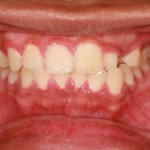 Are Bleeding Gums a Sign of A Serious Dental Emergency?
 The fact that you are reading this article shows that you live in the Milwaukee area and are experiencing some pretty bad jaw pain. Maybe you have a sharp shooting pain that you don’t understand, or perhaps an ever-present dull aching in your jaw.
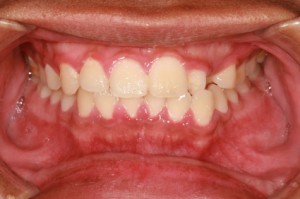 When you notice that your gums are starting to bleed then it’s most likely a sign of gum disease. The only effective long-term treatment is to consult a dentist in order to establish if the cause is in fact gum disease and follow the prescribed treatment. However, there are some things you can do to help the recovery process.
 It can be scary to brush your teeth and realize that you have bleeding gums. Not everyone knows what you should do if your gums are bleeding. It’s a good idea to know how to handle the situation so that you’re prepared if it happens to you.